
Mountain Gorillas Habitat
August 25, 2023
Budget Uganda Holidays
August 25, 2023
Chimpanzee Trekking in Nyungwe Forest National Park, Rwanda
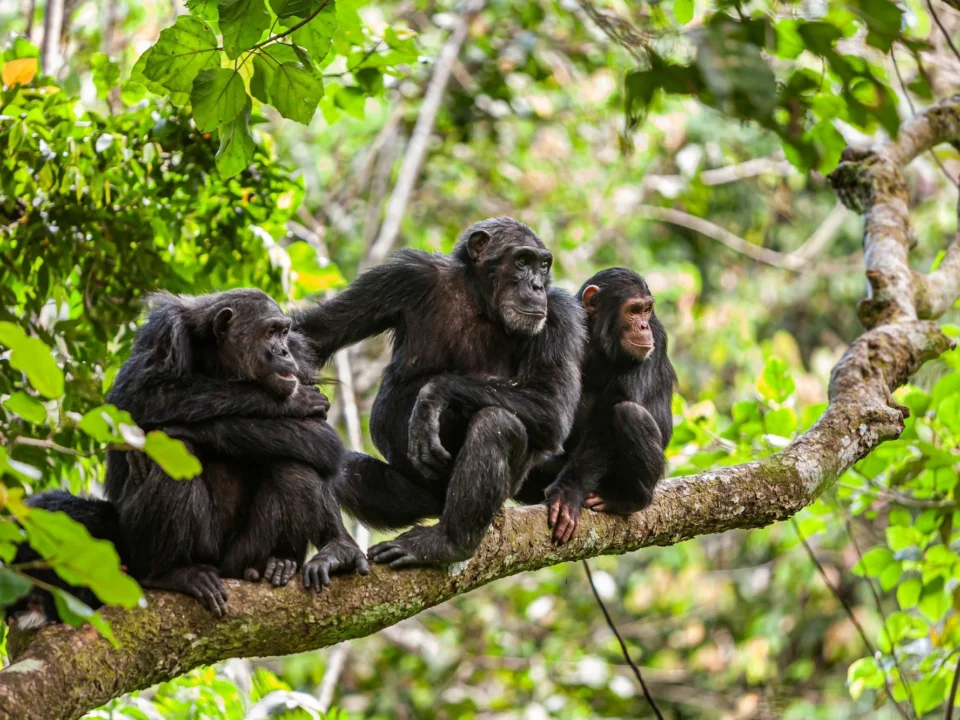
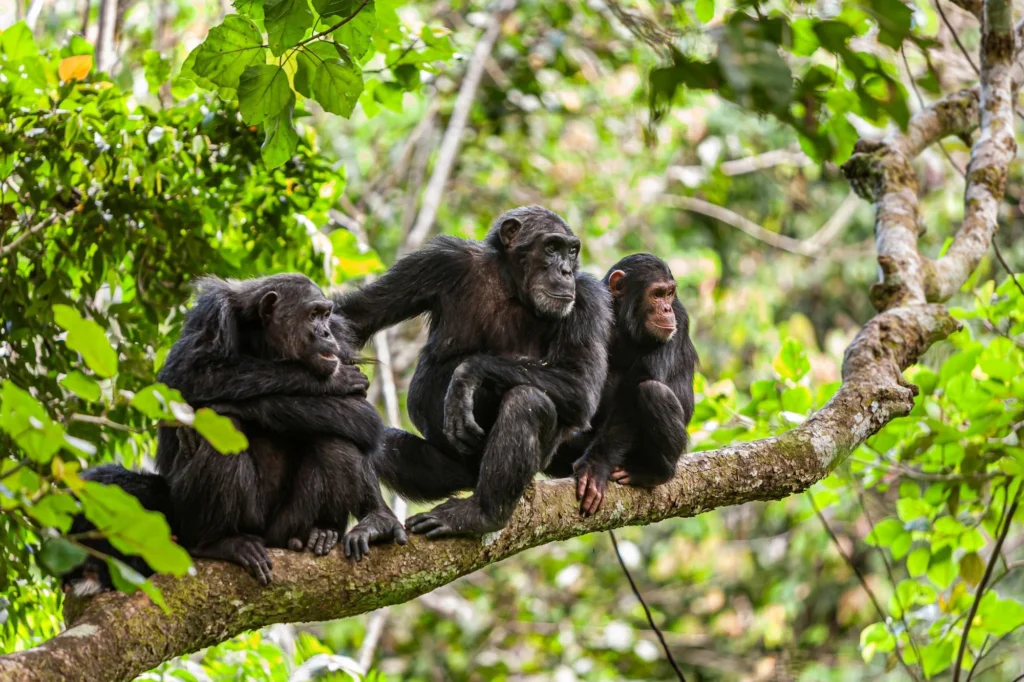
Chimpanzee trekking in Nyungwe Forest National Park is one of the most exciting primate experiences in Rwanda. This immersive activity takes you deep into one of Africa’s oldest montane rainforests to observe wild chimpanzees in their natural habitat. As you follow forest trails, guided by expert trackers, you’ll get the rare chance to witness how these intelligent primates live — from how they wake up and forage for food, to their grooming habits and complex social dynamics.
During the trek, you’ll learn about the plant species chimpanzees feed on, how long they spend feeding, and how they interact within their groups. It’s a unique opportunity to observe who leads the troop, how mothers care for their young, and the structure of their communities. Whether you’re a wildlife enthusiast or a researcher, chimpanzee trekking in Nyungwe offers more than just sightings — it’s an insight into the behavior, communication, and personalities of one of our closest relatives in the animal kingdom.
Where to Track Chimpanzees in Nyungwe Forest
Nyungwe Forest is home to two habituated chimpanzee groups, each offering a slightly different trekking experience. One group is found near the Uwinka area, while the other resides in the Cyamudongo Forest, a small but dense forest fragment on the edge of Nyungwe.
-
Uwinka Group: This group, located near the Uwinka reception center, is larger—numbering over 40 individuals. The trek to reach them is often more challenging due to the park’s rugged terrain, but it can be deeply rewarding. Treks start very early in the morning, typically around 4:30 am, and require visitors to pick up a guide from the Gisakura reception.
-
Cyamudongo Group: This smaller forest area is home to another well-habituated group, often recommended due to easier sightings and a more consistent trekking experience. Although the terrain here can still be demanding, the chances of close-up encounters are generally higher. Because chimpanzees are constantly on the move, you may need to keep up with them—sometimes briskly hiking through the forest—but you might also be lucky enough to find them resting or feeding in one place.
Both trekking locations sit at elevations ranging from 1,600 to 2,950 meters above sea level, so a reasonable level of fitness is required. For older travelers or those needing more time, guides adapt the pace to ensure everyone can enjoy the experience.
In addition to chimpanzees, Nyungwe is teeming with wildlife. You might also spot vervet monkeys, black-and-white colobus monkeys, L’Hoest’s monkeys, and many other primate species along the way.
How to Get to Nyungwe Forest National Park
By Road
Traveling to Nyungwe Forest National Park by road is the most popular and budget-friendly option for most visitors. The journey offers stunning views of Rwanda’s iconic rolling hills, local villages, and a chance to stop at cultural and historical sites such as the King’s Palace in Nyanza or the Gikongoro Genocide Memorial.
From Kigali, the drive to Nyungwe takes about 5 to 6 hours. The recommended route heads southwest through Muhanga, continues to Nyanza, then to Huye (formerly Butare), and finally to Nyamagabe, which is close to the park entrance. Roads are generally well-maintained, but drivers should be cautious on sharp bends.
For those traveling with a guide or tour company, there’s flexibility to make scenic stops or take detours for photography and exploration. It’s a scenic and enriching road trip that many travelers enjoy as part of the full safari experience.
By Public Bus
Public transport is available for budget-conscious travelers looking to experience Rwanda like a local. Buses depart from Nyabugogo Bus Terminal in Kigali heading to Rusizi, with some routes passing directly through Nyungwe. You can ask to be dropped at Uwinka reception center.
Several companies operate this route, including:
-
Ritco Express (via Kigali–Karongi–Rusizi)
-
Alpha Express (via Kigali–Nyungwe–Rusizi)
-
Omega Express (via Kigali–Nyungwe–Rusizi)
Although traveling by bus can take up to 8 hours, it’s an affordable and culturally immersive option. It’s important to leave early in the morning and prepare for a long journey. Keep in mind that buses do not enter the park, so further arrangements may be needed to get to your lodge or trekking point.
How to Get to Nyungwe Forest National Park by Air
Flying is the fastest and most convenient way to reach Nyungwe Forest National Park, especially for travelers short on time. While it’s more expensive than road travel, the views and time saved can make it worth it. RwandAir offers regular domestic flights—up to nine per week—from Kigali International Airport to Kamembe Airport, the closest airstrip to the park.
Kamembe Airport is just 32 kilometers from Nyungwe, and some high-end lodges, like Nyungwe Forest Lodge, provide helicopter transfers from the airport for added comfort and ease. If you’re staying elsewhere, a short drive will take you from Kamembe to your lodge or the park entrance.
Another scenic option is chartering a helicopter flight with Akagera Aviation from Kigali directly to Nyungwe. The aerial route offers sweeping views of Rwanda’s lush landscapes, including tea plantations and rolling hills, adding a memorable twist to your journey.
Arriving at Nyungwe Forest by Water
For a more adventurous approach, consider reaching Nyungwe via a boat trip on Lake Kivu. This scenic route connects Rubavu or Karongi to Kamembe, offering a 6–8 hour journey across one of Rwanda’s most beautiful lakes. Along the way, you’ll pass by charming islands, encounter local fishermen, and soak in the serene natural beauty.
Traveling to Nyungwe by boat isn’t just about the destination—it’s about the journey. This option is perfect for those who want to combine lake exploration with their forest adventure.
Getting to Cyamudongo Forest
If your chimpanzee trek is in the Cyamudongo section of Nyungwe, a 4×4 vehicle is highly recommended. The road to this area is unpaved and can be rough, especially during or after rain. Small vehicles often struggle here, so be sure to hire a safari vehicle or arrange transport through your tour operator.
Your trek will still start early in the morning, around 4:30 am, and you’ll need to pick up your guide from the Gisakura reception center before heading out. After your adventure, it’s your responsibility to drop the guide back at the same point.
Planning Your Trip to Nyungwe Forest National Park
Getting to Nyungwe is easier than many travelers expect. Whether by road, air, or water, the key is to plan ahead. Booking your safari through a trusted tour operator is the most stress-free way to ensure everything runs smoothly—from transportation and permits to accommodation and guides.
Tour companies in Rwanda often include transfers and park access in their packages, giving you more time to focus on enjoying the wildlife and less time worrying about logistics.
Best Time for Chimpanzee Trekking in Nyungwe
Chimpanzee trekking in Nyungwe Forest typically begins very early in the morning. You’ll need to wake up around 4:00 AM and reach one of the park’s reception centers—like Uwinka or Gisakura—by 4:30 AM. From there, you’ll head out to the forest with a guide just before dawn when chimps are most active.
The dry season, especially from June to August, is the best time to go trekking. This period coincides with fruiting fig trees, making it easier to spot chimpanzees as they forage. Additionally, the trails are drier and more manageable. Only two groups of visitors are allowed to visit a chimpanzee troop per day, and each group gets a maximum of one hour with the chimps once located.
Other Places for Chimpanzee Trekking in Rwanda
While Nyungwe is the top destination for chimpanzee trekking in Rwanda, Gishwati-Mukura National Park in the west is another fantastic option. This newer park is home to a growing population of habituated chimpanzees and offers a quieter, more intimate trekking experience. If permits for Nyungwe are sold out, Gishwati-Mukura provides an excellent alternative.
What to Pack for Chimpanzee Trekking in Nyungwe
To enjoy your chimpanzee trek comfortably and safely, make sure to bring:
-
Hiking boots: Essential for navigating slippery forest trails.
-
Lightweight clothing: Helps you stay cool during long hikes.
-
Long-sleeved shirts and trousers: Protects against scratches, insect bites, and thorny branches.
-
Insect repellent: Keeps mosquitoes and other insects at bay.
-
Garden gloves: Useful for gripping vegetation and protecting your hands.
-
Camera (optional): To capture your once-in-a-lifetime wildlife experience—just remember to turn off the flash.
-
Walking stick: Provided at the park, it’s helpful on muddy or steep sections of the trail.
-
Backpack: To carry your essentials like snacks, water, rain jacket, and extra layers.
-
Energy snacks and drinking water: Trekking can take several hours depending on where the chimps are, so stay fueled and hydrated.
-
Warm sweater: Morning temperatures can be chilly in the rainforest.
-
Rain jacket or poncho: Nyungwe is a rainforest, so sudden showers are common.
-
Long socks: Tuck them into your trousers to prevent safari ants from getting in.
-
Porter (optional): Available at the trailhead, porters can help carry your bag and assist you along difficult paths.
Chimpanzee Trekking Etiquette and Safety Guidelines
To ensure a safe and respectful experience for both you and the chimpanzees, please follow these important guidelines:
-
Maintain a safe distance: This helps prevent the transmission of human diseases to chimpanzees.
-
No flash photography: Flash can startle or distress the animals.
-
Avoid littering: Garbage can harm wildlife and disrupt their habitat.
-
Do not feed the chimpanzees: Human food can make them sick.
-
Stay calm and quiet: Sudden movements or loud noises can scare the chimpanzees or provoke aggressive behavior.
-
Always follow your guide’s instructions: They’re trained to keep you safe and help you make the most of your experience.
Final Tips for Chimpanzee Trekking in Nyungwe
-
Start Early: Treks begin before dawn, so be prepared for an early wake-up and bring snacks and water.
-
Dress Appropriately: Wear long sleeves, hiking boots, and carry a rain jacket—Nyungwe is a rainforest, after all.
-
Be Fit & Flexible: Chimpanzees are wild animals and move unpredictably. You may have to hike long distances to find them.
-
Bring a Camera: Photography is allowed, but remember to switch off the flash to avoid disturbing the animals.
Chimpanzee trekking in Nyungwe Forest National Park is an unforgettable journey into the heart of Rwanda’s biodiversity. Whether you’re an adventurous traveler or a primate lover, this experience will leave you with incredible memories—and a deeper appreciation for the wonders of the wild.